
Importing cars from China has become a strategic move for dealers and buyers looking for competitive prices and a wide selection. With Chinese automakers expanding rapidly, both new and used vehicles are now available for international markets, offering opportunities to access high-quality models directly.
From standard sedans to Chinese electric cars, the market provides a variety of options to meet different customer demands. Understanding the full process of importing vehicles ensures smoother transactions and helps avoid common pitfalls.
This guide explains how to import cars from China, covering new and used vehicles, and highlights the advantages of door-to-door car shipping for a hassle-free experience.
According to Autonews Global's report on Chinese car exports, China's automotive industry is increasingly serving international buyers, making it an ideal time for dealers to source vehicles directly.
Whether you are exploring popular models like the Mazda CX-5 or the latest electric vehicles from China, following these steps can help dealers and buyers maximize efficiency and profitability.
Why import cars from China?

China has become one of the world's most important automotive supply hubs. For dealers and international buyers, importing cars from China offers access to large-scale production, flexible sourcing, and consistent availability across multiple vehicle categories.
Unlike traditional markets, China provides both new and used vehicles in significant volumes. This allows dealers to scale faster, respond to market demand, and maintain steady inventory throughout the year.
Working with an experienced exporter also reduces sourcing complexity. Platforms like EAuto Export's car export services help buyers access verified suppliers, transparent pricing, and structured export processes.
According to Statista's automotive export data for China, China continues to increase vehicle exports year over year, strengthening its position as a reliable global supplier.
Cost Efficiency and Price Advantage
One of the biggest reasons dealers choose to import cars from China is pricing. Manufacturing scale, supplier competition, and efficient logistics help keep vehicle costs lower than many alternative markets.
For dealers, this means better margins and more flexibility in resale pricing. Buyers can source Chinese cars for sale that remain competitive even after shipping and import duties.
This advantage is especially relevant for used cars in China, where supply volume allows buyers to select vehicles based on mileage, condition, and budget.
Access to New, Used, and Electric Vehicles
China's automotive ecosystem supports a wide range of vehicle types. Dealers can source gasoline vehicles, hybrids, and used electric cars for sale from the same market.
The rapid growth of Chinese electric cars also gives buyers early access to EV models before they reach other regions. This helps dealers stay aligned with changing consumer preferences.
Many importers use this diversity to test multiple vehicle categories without relying on multiple countries or suppliers.
Suitable for Dealers and Individual Buyers
Importing cars from China is no longer limited to large wholesalers. With proper documentation and logistics support, individual buyers can also import vehicles efficiently.
Dealers benefit from bulk sourcing and repeat shipments, while individuals gain access to import cars from China with full inspection and delivery options. Structured exporters simplify the process for both buyer types.
Types of Cars You Can Import from China
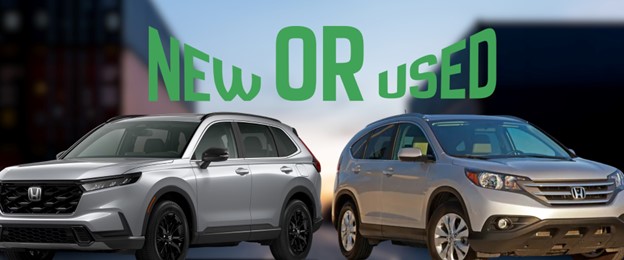
China's automotive market allows buyers to choose from multiple vehicle categories depending on budget, target customers, and resale strategy. Understanding these categories helps dealers make smarter sourcing decisions and reduce risk.
Importers generally focus on new cars, used cars, and electric vehicles, each offering distinct advantages. Selecting the right type depends on market demand, import regulations, and pricing strategy.
Many buyers review available options directly through exporters such as EAuto Export's available cars from China to compare vehicle types before finalizing shipments.
Importing New Cars from China
New vehicles imported from China are ideal for dealers targeting premium or mid-range buyers. These cars come with factory specifications, low mileage, and consistent quality standards.
Popular global models and select Chinese car brands are often available with multiple configurations and colors. This allows dealers to align inventory with local market preferences.
New cars are especially suitable for buyers seeking long-term resale value and predictable after-sales demand.
Importing Used Cars from China
Used cars in China offer strong value for price-sensitive markets. Due to high vehicle turnover, many used vehicles remain in good condition with relatively low mileage.
Dealers often choose used imports to test new markets or expand inventory without heavy capital investment. These vehicles can also be inspected and graded before export.
According to a research by Global Times about the export of Chinese Cars, used vehicle exports from China continue to grow as international demand increases.
Importing Electric Vehicles from China
China is a global leader in electric vehicle production. Importing used electric cars for sale or new EVs allows dealers to enter the fast-growing electric segment early.
Chinese EVs are known for competitive pricing, modern technology, and improving battery standards. This makes them attractive for markets transitioning toward sustainable transportation.
Dealers importing EVs should consider charging infrastructure and local compliance requirements before selecting models.
Step-by-Step Process to Import Cars from China

Importing cars from China follows a structured process designed to reduce risk and ensure transparency. When handled correctly, this process allows dealers and buyers to receive vehicles efficiently with minimal operational burden.
Professional exporters manage sourcing, documentation, and logistics in sequence. This is especially important when arranging door to door car shipping, where coordination across multiple stages is required.
To understand how this works in practice, many buyers rely on EAuto Export's end-to-end car import process, which consolidates all steps under one workflow.
Vehicle Sourcing and Selection
The process begins with identifying suitable vehicles based on market demand, budget, and specifications. Buyers can select from new cars, used cars in China, or electric vehicles, depending on their strategy.
Accurate sourcing ensures the vehicles meet export eligibility and local compliance requirements before proceeding further.
Inspection and Condition Verification
Once vehicles are selected, inspections are conducted to verify condition, mileage, and documentation. This step is critical for used vehicles and helps prevent disputes after shipment.
Inspection reports provide buyers with confidence and ensure transparency before payment confirmation.
Pricing, Payment, and Contract Confirmation
After inspection, final pricing is confirmed, including vehicle cost, export fees, and shipping charges. Clear contracts help protect both parties and outline responsibilities.
Structured payment terms reduce financial risk and ensure compliance with international trade standards.
Export Documentation and Customs Clearance
Export documentation includes invoices, packing lists, export licenses, and compliance certificates. Proper paperwork ensures smooth customs clearance in both China and the destination country.
According to “international vehicle export documentation standards”, accurate documentation is one of the most common factors affecting delivery timelines
Door-to-Door Shipping and Final Delivery
The final step is door to door car shipping, where vehicles are transported from China directly to the buyer's destination. This includes port handling, international shipping, and inland delivery.
This approach reduces coordination effort and allows dealers to focus on sales rather than logistics.
Costs, Taxes, and Customs Duties When Importing Cars from China
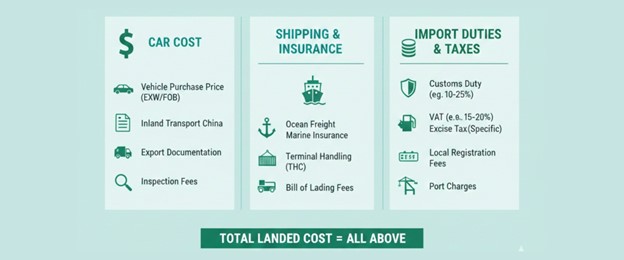
Before importing cars from China, it is essential to understand the complete cost structure. The final landed cost is not limited to the vehicle price and often includes several additional charges that directly affect profitability.
A clear understanding of these costs helps dealers avoid pricing mistakes and ensures smoother customs clearance at the destination.
Vehicle Purchase Cost
The vehicle purchase cost is the starting point of the import process. This price depends on whether the car is new or used, its condition, mileage, configuration, and market demand.
For used cars in China, inspection results play a major role in determining final pricing. Vehicles with verified condition reports usually command more stable resale value.
Export and Handling Fees in China
Export-related costs include port handling, documentation preparation, customs filing, and vehicle loading. These charges are typically fixed per shipment but may vary by port and vehicle type.
Proper export handling ensures that vehicles are legally cleared for international shipment and reduces the risk of delays.
International Shipping Costs
Shipping costs depend on destination country, shipping method, and container usage. Options include container shipping or roll-on/roll-off, each with different cost implications.
Door to door car shipping combines inland transport, sea freight, and destination delivery, offering cost predictability and reduced coordination effort.
Import Customs Duties
Customs duties are applied by the destination country and are usually calculated as a percentage of the vehicle's declared value. Duty rates vary based on engine size, vehicle age, and fuel type.
According to vehicle import tariff guidelines by destination country, customs duties are one of the most significant cost components when importing chinese cars.
Taxes and Government Charges
In addition to customs duties, buyers may need to pay VAT, sales tax, or excise tax. These taxes are often calculated on the combined value of the vehicle, shipping, and customs duty.
Electric vehicles may receive tax incentives in some countries, while older vehicles may attract higher environmental taxes.
Compliance and Certification Costs
Some countries require compliance with local safety, emissions, or registration standards. This may involve additional inspections, testing, or certification fees.
Failing to meet these requirements can result in storage charges, penalties, or delayed vehicle release.
How to Choose a Reliable Car Exporter in China

Choosing the right exporter is one of the most critical decisions when importing cars from China. A reliable partner reduces risk, ensures transparency, and helps buyers avoid costly mistakes during sourcing and shipping.
Because international car imports involve payments, compliance, and logistics, working with an experienced exporter is essential for both dealers and individual buyers.
Verify Company Legitimacy and Experience
A trustworthy exporter should be a registered legally company with proven experience in international vehicle exports. Buyers should confirm business registration, export licenses, and operational history.
Working with certified exporters such as EAuto Export's verified export operations helps ensure vehicles are sourced and shipped through compliant channels.
Check Vehicle Inspection and Verification Processes
Reliable exporters provide detailed inspection reports, especially for used cars in China. These reports should include vehicle condition, mileage, and documentation status.
Transparent inspection processes reduce disputes and protect buyers from unexpected quality issues after delivery.
Assess Pricing Transparency and Contracts
Clear pricing breakdowns and written contracts are signs of a professional exporter. Buyers should avoid suppliers who offer vague quotes or avoid detailing costs.
Transparent contracts help define responsibilities related to shipping, customs clearance, and delivery timelines.
Confirm Logistics and Delivery Capabilities
An experienced exporter should manage international shipping and offer door to door car shipping solutions. This ensures vehicles move smoothly from China to the final destination.
Exporters with established logistics networks can reduce delays and handle unexpected challenges more effectively.
Review Market Reputation and Industry Presence
Reputation matters in international trade. Buyers should look for exporters with visible industry presence, customer references, and consistent export activity.
According to international automotive trade best practices, exporters with documented shipment records and transparent operations are generally more reliable
Door-to-Door Car Shipping Explained

Door-to-door car shipping is a logistics solution that covers the entire transportation journey from China to the buyer's final destination. Instead of managing multiple service providers, buyers work through a single coordinated process.
This shipping method is especially useful for international buyers who want predictable costs, reduced paperwork, and minimal operational involvement.
What Door-to-Door Car Shipping Includes
Door-to-door car shipping typically starts with vehicle pickup in China and ends with delivery to the buyer's location. The process includes inland transport, port handling, ocean freight, customs clearance, and final delivery.
By combining all stages into one service, buyers avoid gaps in responsibility that often cause delays or unexpected charges.
Difference Between Door-to-Door and Port-to-Port Shipping
Port-to-port shipping only covers transportation between ports, leaving buyers responsible for customs clearance and inland delivery. This option may appear cheaper initially but often leads to coordination challenges.
In contrast, door-to-door car shipping offers end-to-end control, making it easier for dealers to focus on sales rather than logistics management.
Shipping Methods Used in Door-to-Door Delivery
Vehicles are commonly shipped using container shipping or roll-on/roll-off services. The choice depends on destination, cost considerations, and vehicle protection requirements.
Exporters usually recommend container shipping for high-value or mixed shipments, while roll-on/roll-off is often used for volume-based transport.
Customs Clearance and Delivery Coordination
Customs clearance is a critical part of door-to-door shipping. Proper documentation ensures vehicles are released without penalties or storage delays.
According to international customs clearance procedures for vehicle imports, accurate documentation and pre-declared shipment data significantly reduce clearance time
When Door-to-Door Shipping Is the Best Choice
Door-to-door shipping is ideal for dealers importing multiple vehicles or buyers unfamiliar with local customs procedures. It reduces risk, saves time, and improves cost predictability.
This method is particularly effective when importing cars from China into markets with complex import regulations.
Common Risks When Importing Cars from China and How to Avoid Them

Importing cars from China offers significant opportunities, but it also carries potential risks if the process is not carefully managed. Most issues arise due to unclear documentation, unverified suppliers, or poor logistics coordination.
Unverified Suppliers
Working with suppliers who lack experience or proper export credentials can result in incorrect vehicle specifications, shipment delays, or incomplete paperwork. Buyers should always confirm supplier legitimacy and previous export experience.
Vehicle Condition Issues
For used cars in China, the condition of the vehicle may not match expectations if proper inspections are skipped. Independent inspections and detailed condition reports are crucial to verify mileage, damage history, and overall quality.
Documentation and Customs Delays
Incomplete or inaccurate documentation can cause customs delays or additional storage charges at the destination. Ensuring all necessary papers are prepared and verified before shipment is essential to avoid costly delays.
Unexpected Cost Increases
Importing vehicles involves more than just the purchase price. Taxes, customs duties, and compliance fees can add up quickly. Buyers must calculate total landed costs before confirming any purchase to avoid surprises.
Logistics and Delivery Risks
Poor coordination between shipping, customs clearance, and inland delivery can result in delays or vehicle damage. Using structured shipping processes, such as door to door car shipping, helps centralize responsibility and reduce operational risks.
How to Minimize These Risks
Most risks can be avoided by working with experienced exporters, ensuring thorough inspections, and maintaining transparency throughout the process. Clear contracts and documented procedures further protect buyers.
Conclusion - Why Import Cars from China Makes Sense
Importing cars from China provides dealers and buyers with access to a wide variety of new, used, and electric vehicles at competitive prices. With structured processes, transparent costs, and reliable logistics, international car sourcing becomes predictable and profitable.
Understanding the full import process-including vehicle selection, inspection, documentation, customs, and shipping-is essential to minimize risk and maximize returns. Using door to door car shipping simplifies logistics and reduces operational burdens.
By working with experienced exporters, buyers can ensure vehicle quality, smooth customs clearance, and timely delivery. This approach allows dealers to focus on sales and growth rather than managing complex import operations.
For those looking to expand their automotive business or access competitive vehicles, importing from China offers a strategic advantage in both cost and variety.

